September 15, 2026
Car paint does more than create an attractive finish. It helps protect the vehicle's body from moisture, contaminants, sunlight, temperature changes, and everyday wear. Over time, environmental exposure, maintenance habits, paint quality, and repair practices can all affect how long that protective finish remains in good condition. Understanding these influences can help vehicle owners make better decisions about cleaning, protection, repairs, and professional refinishing. Whether maintaining factory paint or seeking help from car paint shops, taking a proactive approach can preserve appearance and help protect the vehicle's value.
Understand Environmental Exposure
Environmental conditions are among the most important influences on paint longevity. Prolonged sunlight exposes a vehicle to ultraviolet radiation that can break down the paint's chemical structure, resulting in fading, discoloration, oxidation, and loss of gloss. Heat can also cause surfaces to expand and contract, contributing to microscopic cracks, peeling, and other forms of deterioration.
According to iSeeCars.com, white remains the most popular car color, accounting for a 25.7% market share, while black and gray follow closely behind. Color can influence how heat and sunlight affect a vehicle, although every finish benefits from protection against prolonged exposure.
Temperature changes can create additional stress. High heat may soften the finish and make it more vulnerable to abrasions, while freezing conditions can contribute to contraction, cracking, and peeling. Humidity and precipitation can also create problems by allowing moisture to reach damaged areas and encouraging corrosion beneath compromised paint.
Rain may contain pollutants that etch the finish, while airborne contaminants can settle onto the surface and become abrasive when wiped away. Vehicles exposed to coastal conditions face another challenge because salt in the air can accelerate corrosion and damage vulnerable areas. Covered parking, appropriate vehicle covers, regular washing, and protective treatments can reduce the impact of these environmental factors.
Maintain the Paint Properly
Consistent maintenance is essential for preserving a vehicle's finish. Dirt, road grime, bird droppings, tree sap, and other contaminants can become chemically or physically damaging when left on the surface. Gentle washing with appropriate automotive products helps remove these substances while reducing the risk of scratches.
Handwashing with clean microfiber materials can help minimize friction and prevent contaminants from being dragged across the finish. A paint-safe, pH-neutral soap can also help preserve existing protective products. Seasonal cleaning and careful removal of stubborn contaminants are useful for keeping the surface smooth and clean.
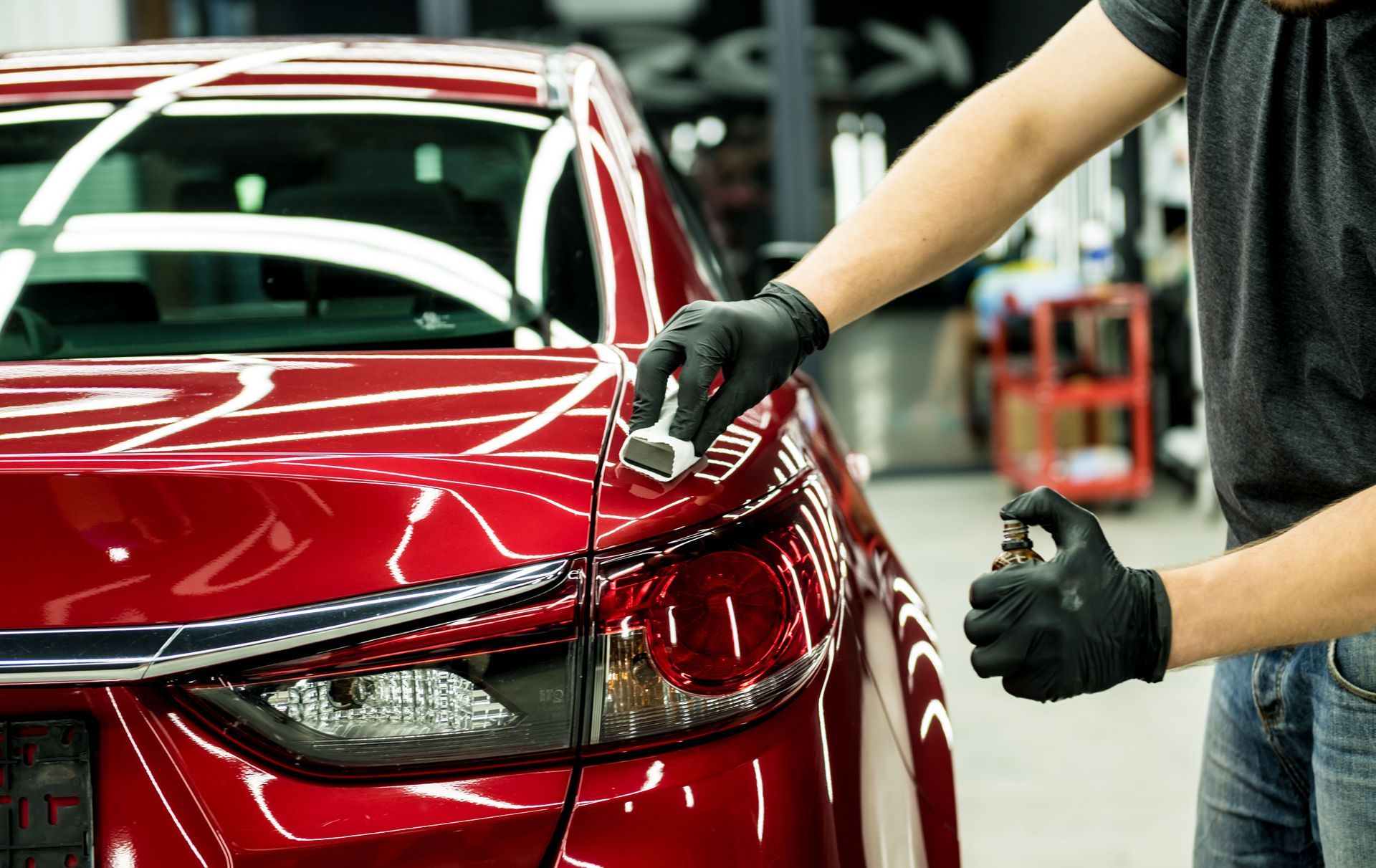
Waxing and polishing can provide additional benefits. Wax creates a protective barrier that helps limit direct contact between contaminants and the paint, while polishing can improve gloss and address minor surface imperfections. Synthetic sealants and other modern protective products can provide another layer of defense when properly applied.
Protective covers can also help when a vehicle is parked for extended periods. A cover suited to the surrounding climate can reduce exposure to sunlight, dust, moisture, and airborne debris. However, the vehicle and cover should be clean before covering the car because trapped dirt can cause abrasion.
Promptly addressing chips and scratches is equally important. Small areas of exposed or damaged paint can allow moisture and contaminants to reach underlying materials, increasing the possibility of corrosion and further deterioration. When damage is beyond a simple touch-up, car paint shops can evaluate the affected area and recommend appropriate refinishing.
Choose Quality Paint and Application
The quality of the paint and the way it is applied can have a major effect on durability. Automotive finishes are formulated to withstand demanding conditions, but different paint systems offer different levels of resistance to environmental exposure, abrasion, and chemical damage. Selecting a suitable product for the vehicle and its surroundings is important when refinishing is necessary.
Proper surface preparation is just as important as the paint itself. Cleaning, sanding, priming, and correcting imperfections help create a strong foundation for the finish. If preparation is inadequate, the new coating may have poor adhesion and become susceptible to peeling, bubbling, or uneven wear.
Primer and undercoat quality also influence the finished result. These layers help the paint bond to the vehicle while providing additional protection against moisture and other sources of damage. Compatibility between the primer, base coat, and clear coat is essential for achieving a durable finish.
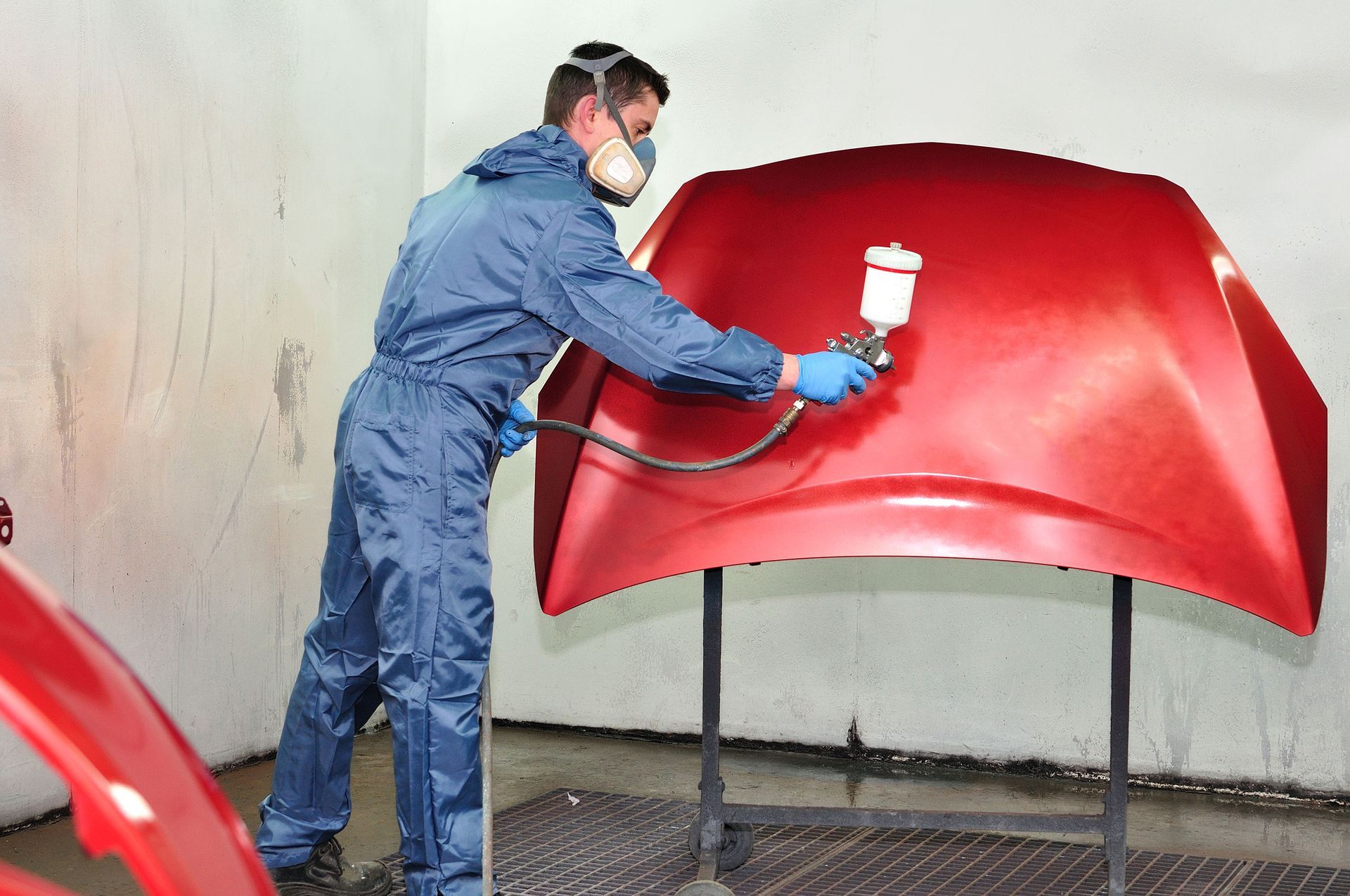
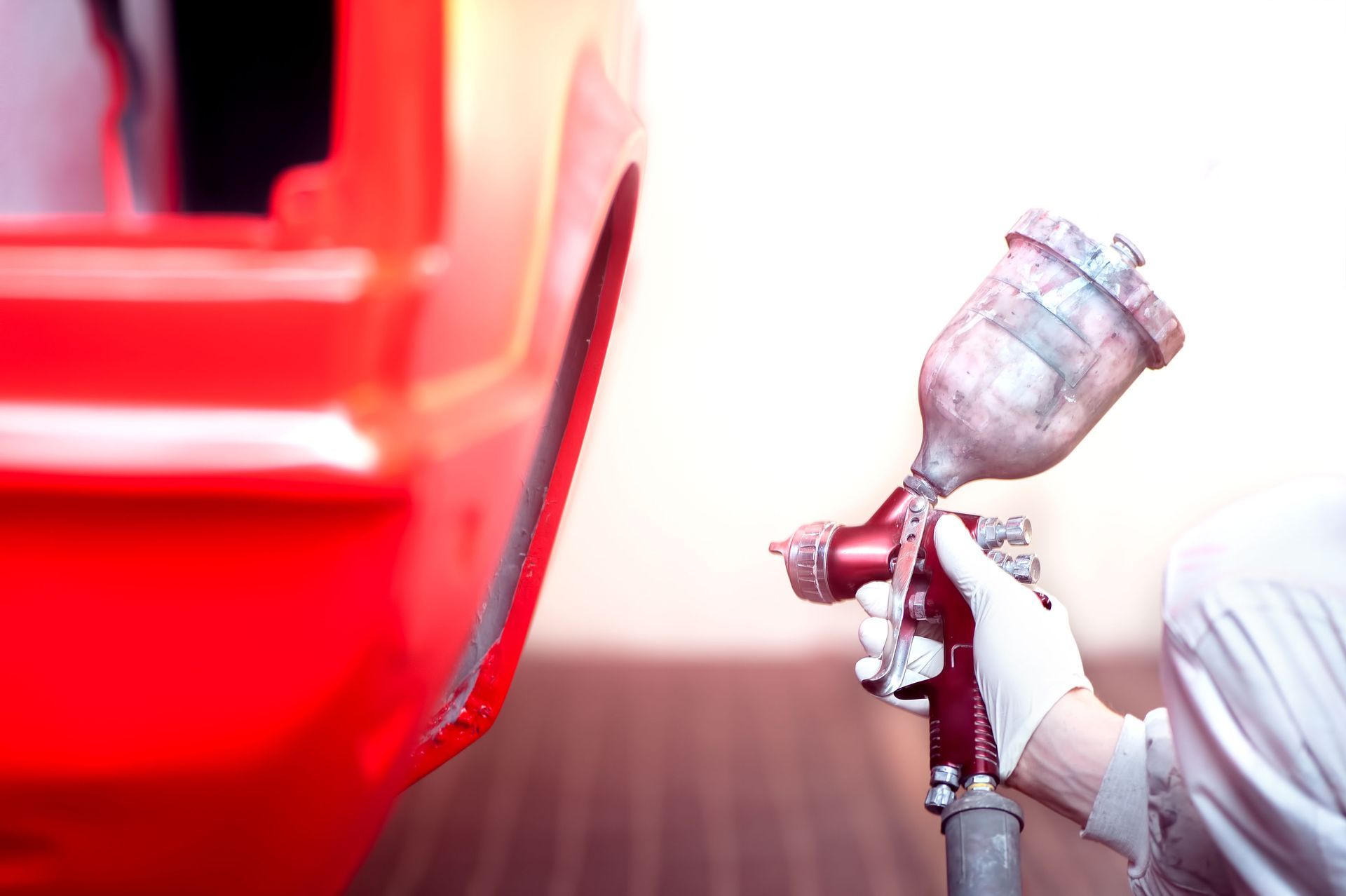
Application conditions matter as well. Professional car paint shops use controlled environments and specialized equipment to help produce consistent coverage while limiting dust, temperature fluctuations, and other contaminants. Even application and proper curing allow the paint system to develop the hardness, adhesion, and appearance intended by the manufacturer.
Applying too little material may reduce protection, while excessive application can interfere with proper curing and flexibility. Following the paint manufacturer's specifications and using professional equipment when appropriate can help create a finish that withstands everyday exposure.
Address Damage Before It Spreads
Paint damage rarely improves when ignored. Scratches, chips, peeling, oxidation, and bubbling can expose underlying materials to moisture and contaminants. Addressing these issues promptly can help prevent localized damage from becoming a more extensive refinishing project.
Touch-up products may be appropriate for minor imperfections when the correct color and application process are used. Larger or more complicated damage, however, may require professional preparation, color matching, blending, and clear-coat application. Car paint shops can assess whether a damaged area can be repaired locally or whether broader refinishing is necessary.
Professional detailing can also help maintain paint that is still in good condition. Detailers can remove embedded contaminants, reduce the appearance of minor imperfections, and apply protective treatments. Regular attention can make it easier to identify emerging problems before they become more difficult or expensive to address.
Chemical exposure is another source of damage. Harsh cleaning products, fuel, solvents, road chemicals, and other substances can weaken or stain the finish when allowed to remain on the surface. Using products designed specifically for automotive paint and rinsing contaminants away promptly can reduce this risk.
Bird droppings and tree sap deserve particular attention because their chemical composition can etch paint when they remain on a warm surface. Gentle removal is preferable to aggressive scrubbing, which can create additional surface damage.
Protect the Finish Long Term
Protecting car paint requires a combination of sensible parking habits, proper cleaning, timely repairs, and appropriate protective products. Parking in a garage or shaded location reduces direct sunlight and temperature exposure. When covered parking is unavailable, a properly fitted, breathable vehicle cover can provide another layer of protection.
Regular inspections can reveal fading, chips, scratches, corrosion, and clear-coat deterioration before these problems become extensive. Owners should pay particular attention after severe weather, long periods of outdoor parking, or travel through environments with heavy road debris and salt.
Professional assistance can be especially valuable when the finish shows substantial oxidation, peeling, collision damage, or mismatched previous repairs. Experienced car paint shops can identify the source of the problem and determine whether detailing, spot repair, panel refinishing, or a more comprehensive paint service is appropriate.
Ultimately, paint longevity depends on how well the vehicle is protected from environmental exposure and how quickly damage is addressed. Consistent care helps preserve both appearance and the protective function of the finish, while professional refinishing can restore areas that routine maintenance can no longer correct.
The lifespan of car paint is influenced by environmental exposure, maintenance habits, chemical contact, paint quality, application methods, and the speed with which damage is repaired. Protecting the vehicle from harsh conditions, cleaning it correctly, using suitable protective products, and addressing imperfections early can help maintain a durable and attractive finish.
When professional attention is needed, experienced
car paint shops can provide the preparation, color matching, refinishing, and protective services necessary to restore and preserve the vehicle's appearance. For expert help maintaining or restoring your vehicle's finish, contact Affordable Auto Painting & Body Repair today.