January 15, 2026
Modern automotive finishes are the result of a careful balance between skilled craftsmanship and advanced technology. Today’s car paint shops no longer rely solely on manual techniques; instead, they integrate precision equipment, digital systems, and environmentally responsible materials to deliver durable, visually striking results. As consumer expectations for quality and sustainability continue to rise, the automotive paint industry has evolved to meet these demands through constant innovation. According to Coatings World, automotive OEM and refinish paints account for approximately ten percent of the global coatings industry revenue, underscoring the significant role this segment plays in the broader coatings market. Understanding the technology behind car paint shops reveals how innovation shapes every stage of the process, from surface preparation to final curing, and why professional paint facilities are essential for achieving long-lasting, showroom-quality finishes.
Rapid Evolution of Automotive Paint Technology
The journey of automotive paint technology began with labor-intensive, hand-applied coatings that offered limited durability and inconsistent results. Early vehicles were painted using natural ingredients that faded quickly and provided minimal protection against the elements. As the automotive industry expanded, manufacturers and refinishing professionals recognized the need for stronger, more reliable coatings. This led to the development of synthetic paints that improved gloss, adhesion, and longevity, setting the stage for modern advancements used in car paint shops today.
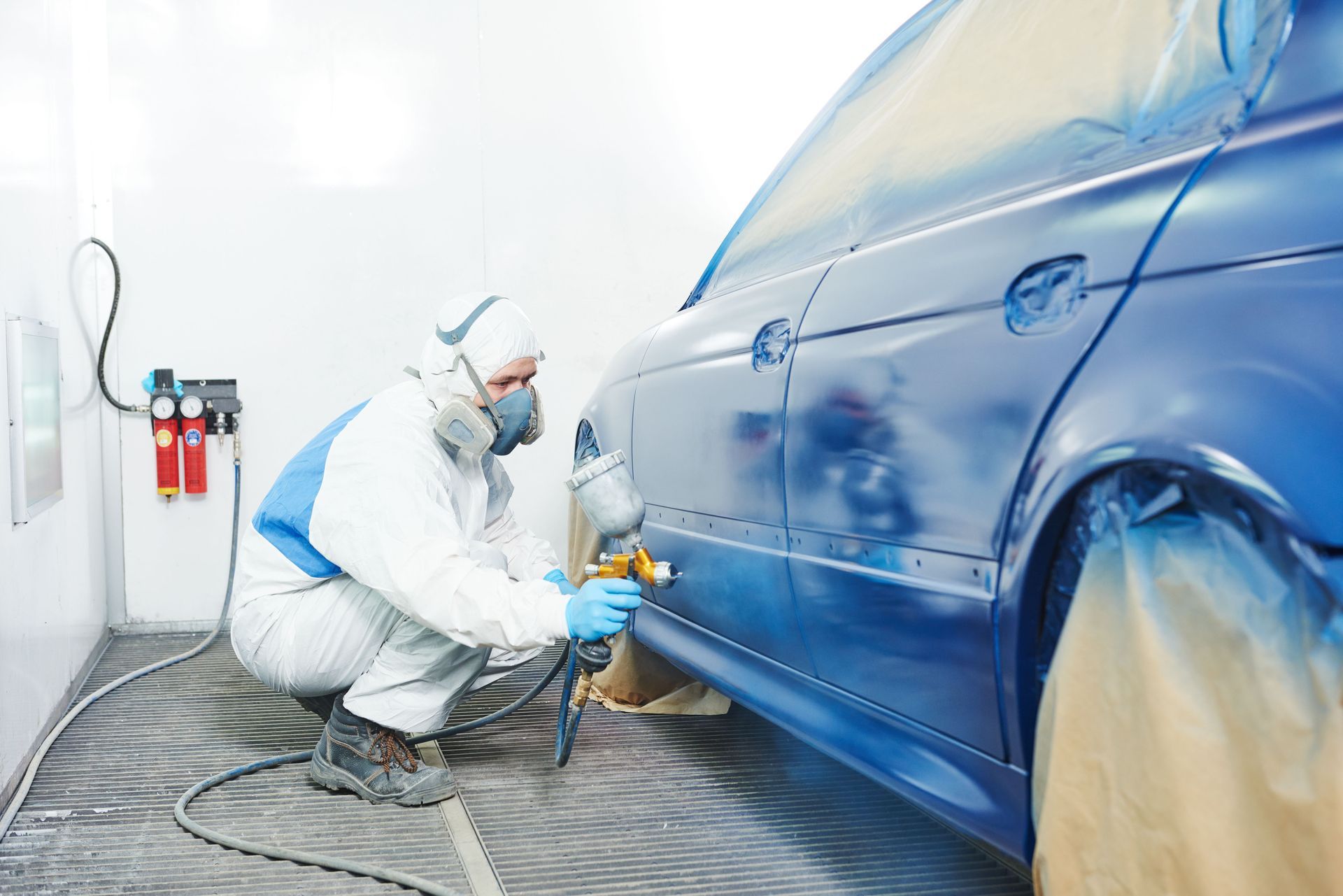
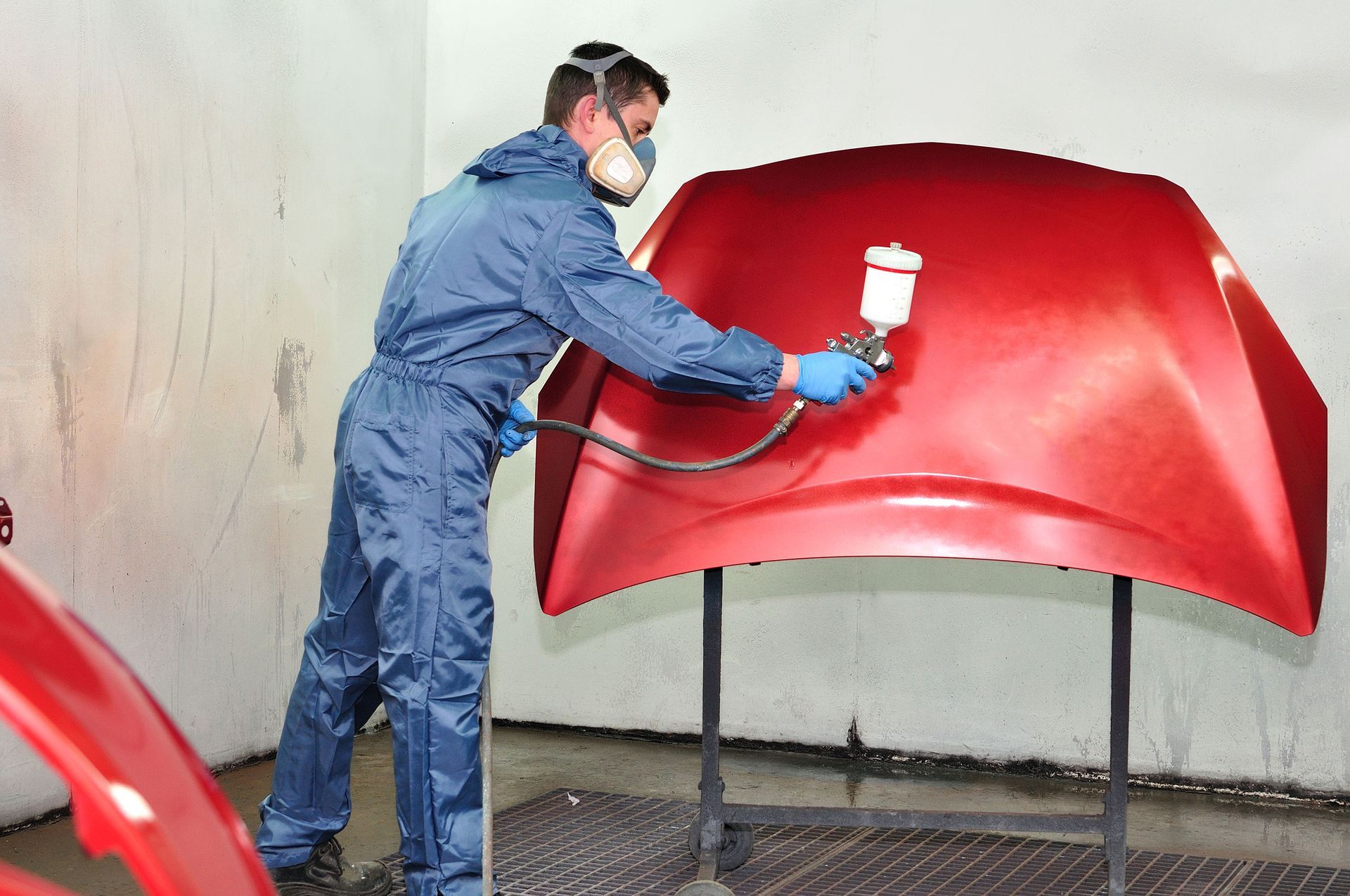
A major turning point occurred with the introduction of spray painting techniques, which significantly improved efficiency and finish consistency. Spray application reduced drying times and allowed for smoother, more uniform coverage across vehicle surfaces. Over time, refinements in spray gun design and air pressure control further enhanced accuracy. These innovations laid the groundwork for the automation and precision technologies now standard in professional paint environments.
As environmental awareness increased, paint technology continued to advance. The development of waterborne paints marked a significant shift away from solvent-heavy products, reducing harmful emissions while maintaining excellent color quality. These improvements demonstrate how the evolution of paint technology has balanced performance, efficiency, and sustainability within modern car paint shops.
High-Tech Equipment That Enhances Finish Quality
Today’s car paint shops rely on sophisticated equipment designed to create controlled, contamination-free environments. Modern spray booths regulate airflow, temperature, and humidity to ensure flawless application. Advanced filtration systems capture overspray and airborne particles, preventing defects that can compromise the final finish. This level of environmental control is essential for achieving professional-grade results.
Beyond spray booths, cutting-edge tools such as infrared lamps and precision spray systems contribute to consistent outcomes. These technologies allow technicians to apply paint evenly across complex vehicle contours, reducing waste and minimizing the need for rework. The integration of high-tech equipment also improves efficiency, enabling paint facilities to meet tight timelines without sacrificing quality.
Energy efficiency has become another priority in equipment design. Many modern systems are engineered to reduce power consumption while maintaining optimal performance. This balance of quality, speed, and sustainability reflects the ongoing commitment of car paint shops to technological progress and operational excellence.
Precision Color Matching and Customization Tools
Accurate color matching is one of the most critical aspects of automotive refinishing, and modern technology has transformed this process. Digital spectrophotometers are now widely used in car paint shops to analyze color data with exceptional precision. These devices measure light reflectance and surface tone, allowing technicians to replicate factory finishes or custom colors with remarkable accuracy.
This technology eliminates much of the trial and error associated with traditional color matching. By generating precise formulas, spectrophotometers reduce material waste and speed up the refinishing process. Customers benefit from seamless repairs that blend perfectly with existing paint, preserving the vehicle’s appearance and value.
Customization has also expanded as a result of these tools. With growing demand for unique finishes and personalized aesthetics, advanced color-matching technology empowers paint professionals to deliver tailored solutions. This capability underscores how innovation supports both efficiency and creativity within modern car paint shops.
Robotic Automation in Paint Application
Automation has revolutionized paint application, particularly in high-volume production environments. Robotic painting systems offer unmatched consistency, applying paint with precise control over spray patterns, angles, and thickness. These systems reduce overspray and material waste while ensuring uniform coverage across every vehicle panel.
The benefits of automation extend beyond consistency. Robotic systems operate continuously without fatigue, increasing productivity and reducing turnaround times. Many are equipped with sensors and adaptive software that allow real-time adjustments, further enhancing quality control. This adaptability ensures optimal performance even as materials and designs evolve.
From a sustainability perspective, automation contributes to reduced emissions and more efficient resource use. By optimizing paint consumption and minimizing errors, robotic systems support environmentally responsible practices. As technology continues to advance, automation will remain a cornerstone of innovation in car paint shops.
Advanced Drying, Curing, and Environmental Controls
Once paint is applied, proper drying and curing are essential for durability and appearance. Modern car paint shops utilize advanced systems such as infrared curing, convection ovens, and controlled airflow technologies to accelerate drying without compromising finish quality. These systems prevent common defects while allowing paint layers to bond effectively.
Energy efficiency plays a major role in these processes. High-performance drying systems are designed to deliver consistent results with reduced energy consumption. Some facilities also incorporate heat recovery systems, further lowering operational costs and environmental impact. These advancements align with the industry’s push toward sustainable operations while maintaining high production standards.
Environmental controls extend beyond curing systems. Advanced ventilation and filtration technologies help capture airborne particles and emissions, ensuring compliance with environmental regulations. This commitment to responsible practices reinforces the importance of technology in maintaining safe, efficient, and eco-conscious car paint shops. Real-time monitoring systems now allow technicians to adjust conditions instantly for optimal results. Together, these innovations support higher-quality finishes while protecting both workers and the surrounding environment.
Digital Management Systems and Computerization
Computerization has become a driving force behind efficiency and consistency in modern paint facilities. Digital design tools allow professionals to simulate finishes and visualize outcomes before application, reducing material waste and improving planning. These systems enhance collaboration and ensure that design intent translates accurately to the final product.
Inventory and paint management software also plays a critical role in daily operations. By tracking materials, usage rates, and expiration dates, these systems help car paint shops reduce waste and maintain consistent quality. Automated alerts and reporting tools streamline workflows and support better decision-making. This level of oversight minimizes downtime caused by material shortages or errors in paint mixing.
Digital management systems improve accountability and scalability as well. By maintaining detailed records of formulations and processes, paint facilities can reproduce results with precision across multiple projects. These systems also help standardize quality across technicians and locations, ensuring reliable outcomes for customers. Data-driven insights allow managers to identify inefficiencies and refine processes over time. As technology advances, cloud-based platforms and real-time analytics are becoming increasingly valuable tools in forward-thinking car paint shops.
The technology behind modern automotive refinishing has transformed the way vehicles are painted, repaired, and customized. From advanced equipment and precision color-matching tools to automation, environmental controls, and digital management systems, today’s car paint shops operate at the intersection of innovation and craftsmanship. These advancements ensure higher quality finishes, improved efficiency, and more sustainable practices across the industry. As technology continues to evolve, professional paint facilities remain essential for delivering durable, visually stunning results that meet modern expectations. If you’re looking for expert solutions backed by cutting-edge technology, trust the experienced team at Affordable Auto Painting & Body Repair to bring your vehicle’s finish to life.